
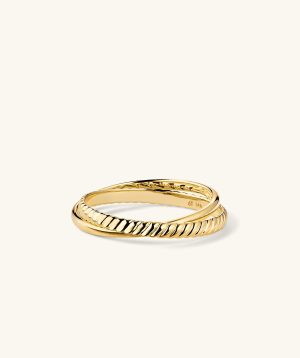
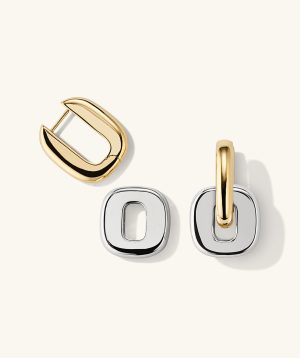
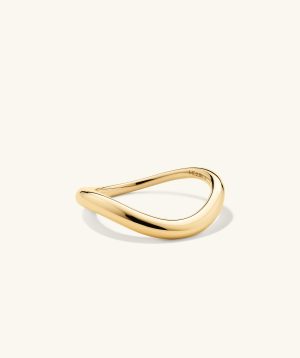
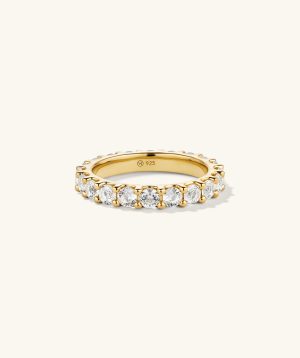
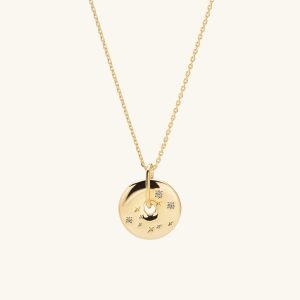
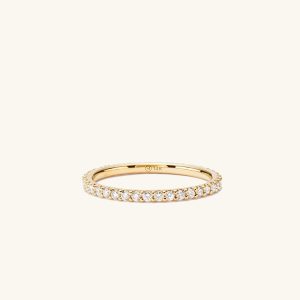
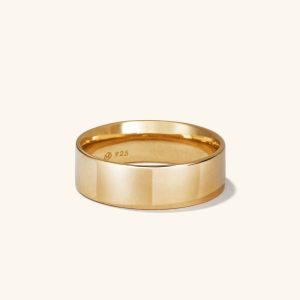
Jewelry, in its most profound sense, is far more than mere decoration. It is a vessel for memory, a tangible link to lineage, and a silent narrator of personal history. This is never more evident than in the case of heirloom jewelry – pieces that have transcended generations, carrying with them the patina of time and the emotional resonance of countless moments lived. These artifacts of personal adornment possess an enduring allure that modern, mass-produced items can never replicate. Their value is measured not in karats or clarity alone, but in the intangible richness of their stories.
The act of receiving an heirloom piece is akin to being initiated into a secret history. A simple locket, a delicate bracelet, or a magnificent ring transforms from an object of material worth into a profound symbol of continuity. It might have graced a wrist at a joyous wedding, been clutched during a moment of profound sadness, or served as a constant companion through decades of daily life. When that piece is passed down, the recipient doesn’t just acquire metal and gemstones; they inherit a chapter of a family’s saga. This emotional inheritance creates an immediate, deep connection to those who came before, fostering a sense of belonging and permanence in a rapidly changing world.
One of the most compelling aspects of vintage and antique jewelry is the exceptional level of craftsmanship they represent. Before the advent of modern manufacturing techniques, each piece was often a miniature work of art, painstakingly created by skilled artisans. Techniques like intricate filigree, meticulous hand-engraving, and elaborate setting styles, which are often too labor-intensive for contemporary commercial jewelry, were commonplace. Examining an heirloom piece is like holding a lesson in historical artistry. The slight imperfections, the subtle variations in detail, and the undeniable heft of the materials all speak to a time when quality was paramount and longevity was assumed.
Moreover, these historical pieces offer a fascinating window into the fashion, culture, and social mores of their era. A bold, geometric pendant might instantly recall the exuberance of the Art Deco period, while a soft, flowing floral motif could be a perfect encapsulation of the romanticism inherent in the Edwardian aesthetic. By wearing such a piece, one becomes an active participant in historical fashion, giving a nod to the past while defining one’s own contemporary style. This dialogue between old and new is a powerful statement of individual expression. It showcases an appreciation for enduring beauty over fleeting trends.
The privilege of owning heirloom jewelry comes with the responsibility of stewardship. These pieces are not truly owned in the conventional sense; they are merely held in trust for future generations. This calls for a different kind of appreciation and care. It requires understanding how to properly clean, store, and maintain the often-delicate antique settings and cuts of the stones. This involves seeking out skilled jewelers who specialize in restoration rather than simple repair, ensuring the piece’s integrity and historical accuracy are preserved.
The process of having an heirloom appraised, restored, or simply polished becomes a contemplative ritual, a moment to reflect on the piece’s journey. It’s an opportunity to learn the original names of the cuts, the source of the materials, and the traditional methods used to unite them. This care ensures that the piece remains vibrant and strong, ready to be passed on. When the time comes to entrust the heirloom to the next generation, the transition is a symbolic affirmation of love, trust, and the unbreakable bond of family. The jewelry will continue its silent journey, gathering new stories, and awaiting the next hand that will cherish its beauty and honor its history.